
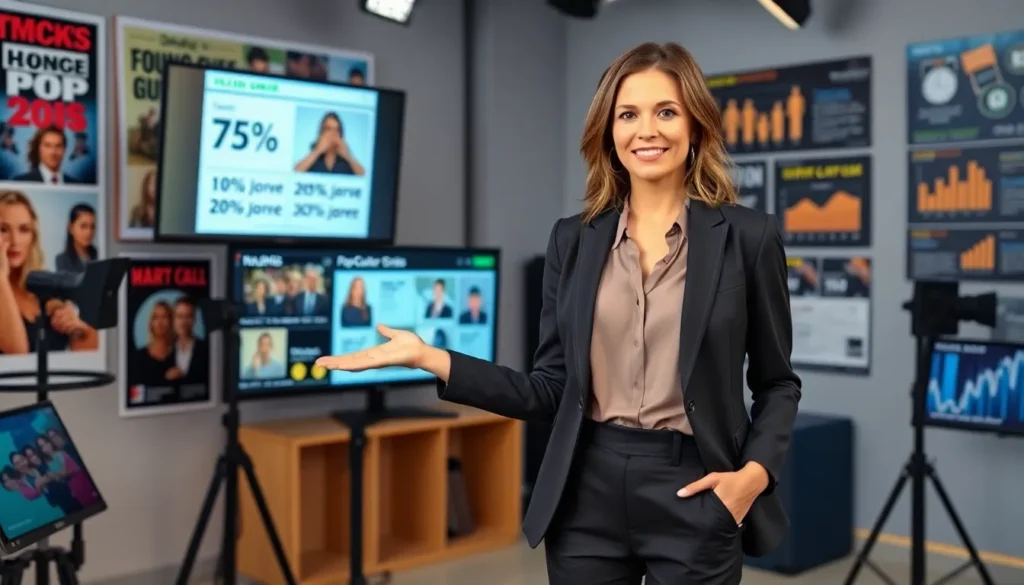
In an age where trends rise and fall faster than a TikTok dance challenge, the pop culture landscape is in a state of constant upheaval. Enter Mary Morgan, a figure who’s not only observing this chaos but also influencing it. Here’s the twist: this crisis isn’t just about celebrities acting out on Instagram or viral memes taking over our feeds. It’s about how these phenomena shape our understanding of society and self. Buckle up, as we investigate into the intricacies of the pop culture crisis and Mary Morgan’s pivotal role, while trying not to spill your coffee from laughing.
Understanding the Pop Culture Crisis

Defining Pop Culture Crisis
The term “pop culture crisis” might sound like a line from a poorly written sitcom script, but it’s real and impactful. At its core, this crisis points to a fracturing of cultural touchstones that once unified audiences. Today, we see a schism forming, between the idealized versions of life often presented online and the stark realities many face. Social cohesion seems to be slipping through our fingers, like the fleeting fame of an internet star.
Causes of the Current Crisis
Several factors contribute to this cultural upheaval. Social media platforms amplify voices, but they also breed divisions. Algorithms push sensationalism: the louder the drama, the more likely it is to go viral. Also, there’s a growing discontent with institutions like media and government, leading to a collective, perhaps misguided, trust in alternative narratives. Mary Morgan encapsulates this dilemma, as she navigates the dual role of influencer and commentator. Her insights highlight the deeper issues at play, challenging audiences to think critically, rather than passively scrolling.
Mary Morgan’s Role in Popular Culture
Influence on Modern Trends and Discussions
Mary Morgan has become somewhat of a cultural compass, pointing audiences toward new discussions while also critiquing the older norms. She influences everything from fashion trends to social critiques, acting as a bridge between traditional pop culture and the new digital landscape. Her ability to connect with various demographics enhances her reach, making her a prominent figure in the ongoing discussions surrounding the pop culture crisis.
Critique of Popularity and Influence
While being popular can seem like a ticket to unassailable credibility, Morgan challenges this notion. She emphasizes that just because something garners millions of views, it doesn’t mean it’s worth your time or admiration. Her critiques often dissect why trends emerge and whether they carry any significance beyond mere entertainment. It’s this analytical lens that keeps her audience engaged and encourages them to think rather than simply consume.
The Intersection of Media and Public Perception
Social Media’s Impact on Perception
In an era where social media serves as both microphone and echo chamber, the impact on public perception is profound. Platforms like Twitter and Instagram can sway opinions in real-time, often leaving fact and nuanced discussion in the dust. Mary Morgan expertly points this out, advocating for a balanced perspective. Her content often prompts followers to question not just what they see but also how those images and videos affect their own viewpoints and beliefs.
Case Studies: Key Moments in the Crisis
Key moments in the pop culture crisis often serve as punchlines in the broader narrative about societal values. Take, for instance, the backlash against certain celebrity behaviors, which is frequently amplified by online discourse. These scenarios provide the perfect fodder for Morgan’s commentary, as she navigates both the fallout and the discussions surrounding it. Her insights allow audiences to dive deeper than the surface-level outrage, revealing underlying cultural tensions that may lie beneath.
Coping with the Pop Culture Crisis
Strategies for Navigating Pop Culture
Navigating the tricky waters of pop culture can feel like sailing a ship without a compass. Mary Morgan suggests several strategies to cope. First, developing critical thinking skills is essential. Instead of just consuming content, audiences should dissect it, understanding who produces it, why it’s popular, and for whom it serves a purpose. Secondly, surrounding oneself with diverse perspectives can quell the echo chamber effect, enriching one’s understanding and empathy.
Advocating for Positive Change in Media Consumption
Mary Morgan champions intentional media consumption, urging followers to engage with content that uplifts and educates. This shift toward proactive engagement can lead to a ripple effect, inspiring others to rethink the media they consume. Encouraging authenticity and depth in storytelling can promote healthier engagement with pop culture overall. So, individuals become not just consumers but also contributors to a healthier cultural narrative.


