
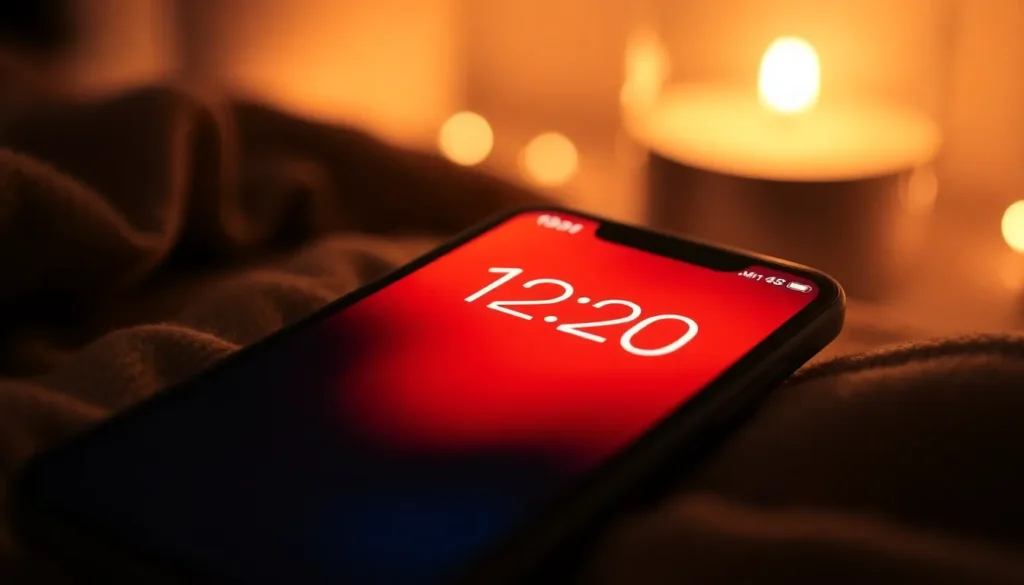
Ever glanced at your iPhone and wondered why the time looks like it just got back from a tropical vacation? That vibrant orange hue isn’t just for show; it’s a clever design choice that packs a punch in both style and functionality. Apple’s decision to use this eye-catching color isn’t just about aesthetics—it’s a nod to usability that makes it easier to see the time at a glance, even during those groggy mornings when your eyes still think it’s bedtime.
But wait, there’s more! The orange time isn’t just a pretty face. It signals different modes and features, adding an extra layer of communication between you and your device. Dive into the vibrant world of iPhone design and discover why that sunny orange time might just be the smartest thing Apple’s done since inventing the iPhone itself.
Understanding Time Color on iPhone
The vibrant orange hue of the time display on iPhones plays a crucial role in user experience. This color choice improves readability and enhances interaction in various settings.
The Significance of Color Coding
Color coding enhances visual communication on the iPhone. Orange indicates specific modes, drawing attention to alerts and status changes. Users respond quickly to these visual cues, creating a more intuitive interaction with their devices. Enhanced readability occurs in low-light scenarios as well, allowing users to access critical information without straining their eyes. Overall, color coding simplifies navigation by providing users with immediate context regarding their device’s functions.
Common Color Indicators on iPhone
Different colors serve specific purposes across iPhone interfaces. Red often signals notifications or errors, while green indicates active services like FaceTime. Blue typically represents connectivity, such as Wi-Fi or Bluetooth status, informing users of their current connections. Yellow may highlight warnings, particularly in battery status alerts. Recognizing these colors allows users to quickly assess the status of their device and manage their interactions efficiently. Understanding these indicators fosters a smoother iPhone experience.
Reasons for Orange Time Display

The orange time display on iPhones signifies specific modes and features that enhance the user experience. Understanding this color choice reveals the intricate design applied to improve usability.
Night Shift Mode
Night Shift Mode adjusts the display’s color temperature to reduce blue light exposure. It generates an orange hue that alleviates eye strain during evening use. Users benefit from improved sleep patterns as less blue light promotes melatonin production. This feature activates automatically based on sunset and sunrise times, allowing for a seamless transition. The warm color facilitates easier reading under low light, ensuring comfort at night.
Do Not Disturb Feature
The Do Not Disturb feature offers users a way to silence notifications and alerts. When enabled, the time display turns orange, signaling that the device is in this quiet mode. This distinct coloration helps users quickly recognize their phone’s status at a glance. Notifications will still arrive but remain hidden until the mode is turned off. The orange display serves as a visual reminder that reduces interruptions during meetings or sleep.
Implications of Orange Time Display
The orange time display holds significant implications for user interaction and health. This vibrant color enhances usability by clearly signaling device status.
User Experience and Notifications
Orange makes it easy for users to identify when their device is in Do Not Disturb mode. This feature silences notifications, allowing individuals to focus without distractions. Users can quickly glance at their screen and recognize that they aren’t receiving alerts. Notifications remain visible for later review, ensuring important information isn’t lost. Different colors serve specific functions, creating an intuitive interface that reduces confusion. Observing this color coding supports seamless transitions between modes, fostering a smoother user experience. Users value this clarity during crucial moments when focus is essential.
Impact on Sleep Patterns
The orange display contributes positively to sleep quality. Exposure to blue light disrupts melatonin production, affecting sleep cycles. By activating Night Shift Mode, the screen emits a warmer orange hue that minimizes blue light exposure. This shift encourages relaxation in the evening and helps users wind down. Research indicates that reducing blue light before bedtime leads to improved sleep patterns. Users report feeling more refreshed after adopting this practice. The iPhone’s strategic use of color alignment with health benefits reflects the device’s thoughtful design approach. This feature empowers users to prioritize their well-being while maintaining connectivity.
Troubleshooting Orange Time Issues
Orange time display issues on iPhones can often stem from specific settings. Addressing these adjustments can help restore the desired colors and visibility.
Adjusting Settings
Users can modify settings to change the display of the time. First, access the Settings app and navigate to Display & Brightness. Here, the Night Shift option can be turned off if active. Turning this feature off resets the display’s color temperature to a more neutral tone. Alternatively, adjusting color filters in the Accessibility settings might resolve overly saturated colors. Finding the right balance for screen brightness also enhances visual clarity, ensuring the time display appears as intended.
Resetting Display Options
Restoring default display options can resolve persistent orange time issues. Users should begin by going to Settings and choosing General. Here, selecting Reset will prompt various reset options. Choosing Reset All Settings will not erase personal data but restore display settings to original configurations. This action can often clear any glitches affecting color displays. After resetting, users should verify the time color to confirm that it reflects the intended brightness and hue.
The orange time display on iPhones is more than just a design choice. It enhances usability by providing clear visual cues that signal various modes and features. This strategic use of color not only improves interaction but also supports users’ health by minimizing blue light exposure during nighttime.
By understanding the significance of the orange hue, users can better appreciate how it contributes to a seamless experience while prioritizing their well-being. Whether it’s recognizing the Do Not Disturb mode or benefiting from Night Shift, the color coding on iPhones plays a vital role in fostering a more intuitive connection between users and their devices.


